
In times like these, support is not just about responding — it is about showing up, consistently, for our community.
Over the past month, we have been in close contact with our Olim across the country, including those along the Lebanese border. What we have encountered is not only concern, but remarkable resilience.
Families are staying. They are strong. They understand why they are here.
At the same time, we know that strength does not mean ease. Many are managing young children in confined spaces, navigating work from home and remote learning, and carrying the ongoing fatigue and emotional strain.
We have made it a priority to reach out — especially to new Olim — to ensure they are safe, understand guidelines, and are coping as best they can. Sometimes, knowing someone is there makes all the difference.
This effort has been driven by an extraordinary group of volunteers. A heartfelt thank you to Dave Bloom, Julie Berman, and Gaye Turiel, who have dedicated their time to calling, listening, and offering emotional support when it is needed most.
Alongside this, we have seen incredible members of our community step forward to support others at scale. Through a series of webinars, Olim have offered group support — from general resilience and practical advice to tailored sessions for parents of soldiers. Thank you to Devorah Kur, Claudia Davimes, Dr Yardena Bauer and Liza Kramer for sharing your time, expertise and care so generously.
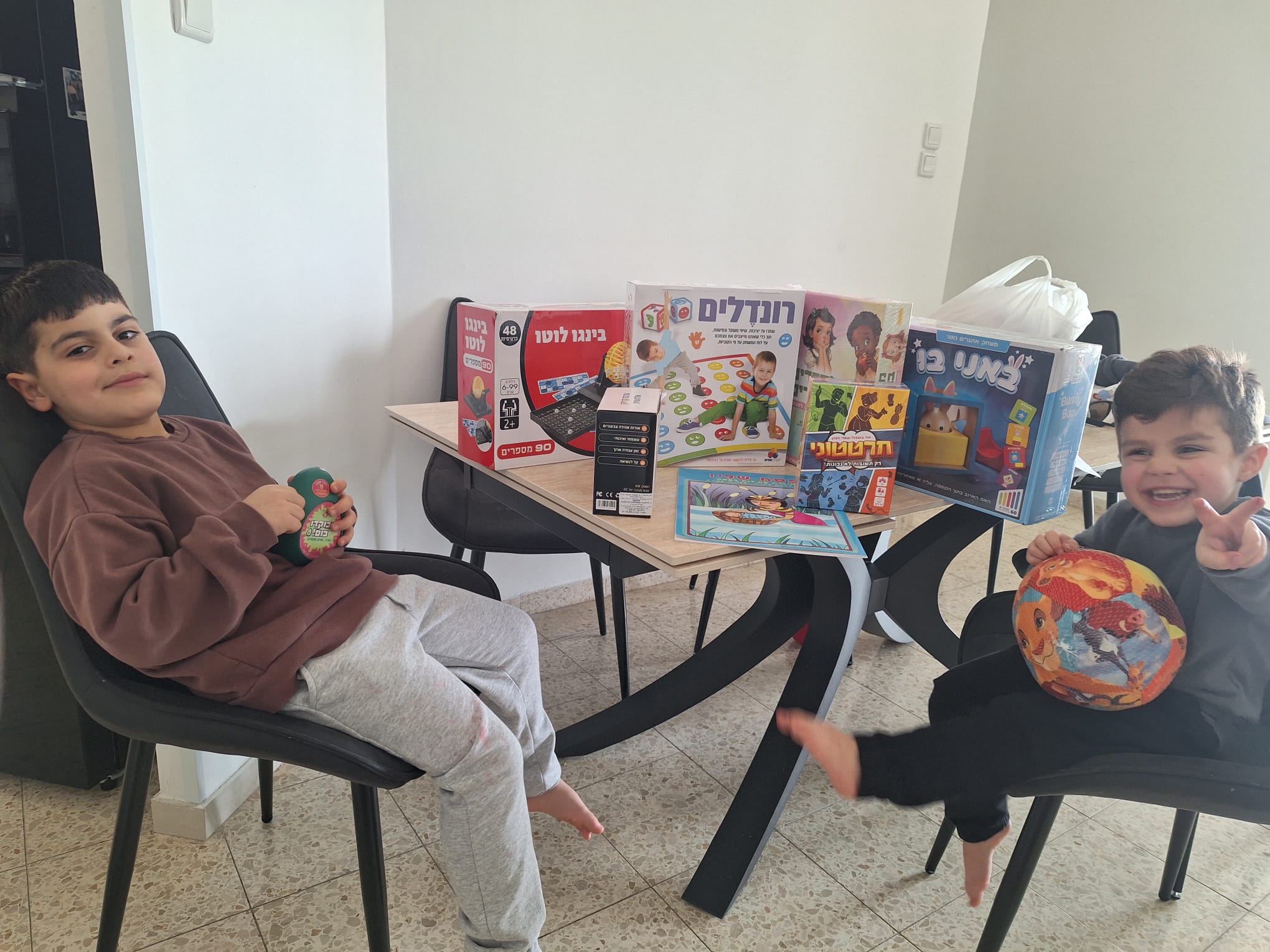
Thanks to the support of our community, we have been able to assist families facing real challenges — from mothers with babies unable to leave their homes, to families without laptops for children needing to learn remotely. We are also sending special gifts to children under 12 in northern communities, offering small moments of comfort during difficult days.
In addition, we have provided winter clothing to local emergency response teams who continue to protect their communities under demanding conditions.
What has stood out most is that even as we reach out to help, many are asking how they can help others. Veteran Olim supporting newcomers. Community members looking out for lone soldiers. A quiet but powerful sense of responsibility for one another.
This is the essence of our community.
We remain committed to standing alongside our Olim — ensuring they are supported, connected, and not facing this alone.
While much of what we see speaks to resilience and strength, there is another side to this moment — one that is often quieter, and less visible.
Behind closed doors, many in our community are facing significant emotional and psychological strain. The ongoing stress of war, uncertainty, and disruption is taking its toll. We are seeing increased cases of anxiety and trauma, including individuals dealing with severe PTSD.
In some instances, the pressure has exacerbated existing financial hardship. In others, it has contributed to deeply concerning situations within the home, including cases of abuse. These are not always visible, and we do not always know what someone is carrying but they are part of the reality we must acknowledge.
Our social workers are working tirelessly during this time, supporting individuals and families navigating complex and often overwhelming circumstances. The need is real, and it is growing.
As we approach Pesach, this becomes even more pronounced. For many, the added financial burden of the Chag is significant. We are providing additional support to ensure that those in need can celebrate with dignity.
At the same time, one of the most important messages we are hearing, and sharing, is simple: check in.
If you know someone who may be alone, struggling, or under pressure, reach out. A phone call, a message, a small act of connection can make a meaningful difference. Sometimes, it is not about solving a problem, but about ensuring that someone knows they are not invisible.
There is also a quiet disappointment felt by many. They sense limited understanding or support from those living in the diaspora. And while that may be the case, it reinforces something equally important: here, in Israel, we must continue to show up for one another.
Because no one understands this reality better than those living it.
And no one is better placed to support this community than the community itself.